The Enduring Allure of the Lupin Gentleman Thief
Humans have an innate fascination with complexity, especially when it comes to characters who dance on the edge of morality, blessed with charm, wit, and impeccable style. This fascination has given birth to a captivating archetype: the gentleman thief. From the cinematic exploits of Danny Ocean and Thomas Crown to the cunning of Selina Kyle, these figures embody a thrilling blend of sophistication and rebellion. Yet, long before these modern icons graced our screens and pages, one character set the gold standard: Arsène Lupin. The original
Lupin Gentleman Thief, born from the imagination of French author Maurice Leblanc, not only captivated a nation but forged a legacy that continues to inspire and entertain over a century later, truly transitioning from page to global phenomenon.
The Genesis of a Legend: Maurice Leblanc's Vision
The story of Arsène Lupin begins, quite fittingly, with a request for a detective. In the early 20th century, the literary world was enthralled by the logical brilliance of Sir Arthur Conan Doyle's Sherlock Holmes. French publications, eager to capitalize on this popularity, sought their own iconic character. It was against this backdrop that the magazine
Je sais tout approached Maurice Leblanc. What they received, however, was far more original than a mere French counterpart to Holmes; Leblanc conceived an anti-hero whose criminal genius and undeniable panache would redefine the genre.
Arsène Lupin made his electrifying debut on July 15, 1905, in
Je sais tout, with the novella "L’Arrestation d’Arsène Lupin" ("The Arrest of Arsène Lupin"). This initial story, alongside eight others, was later collected and published in 1907 as
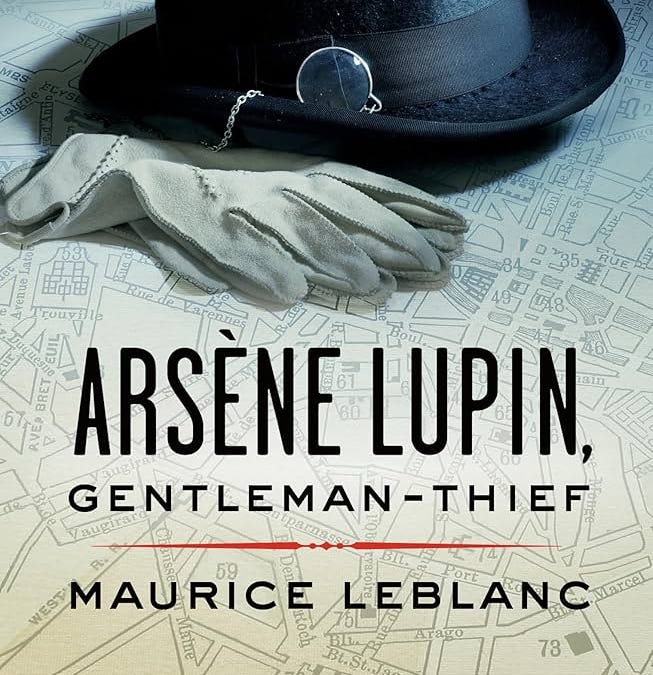
Arsène Lupin, gentleman-cambrioleur (English title:
Arsène Lupin, Gentleman-Thief). The character was an immediate sensation. Leblanc had not just created a thief; he had crafted an enigmatic figure who was aristocratic, debonair, a master of disguise, and possessed an intellect that could rival the era's greatest minds. His adventures, serialized for three decades, solidified his place in popular literature, spawning a prolific series of 17 novels and 39 novellas that chronicled his elaborate heists and clever escapes.
More Than a Thief: The Code of the Lupin Gentleman Thief
What truly set Arsène Lupin apart from common criminals was his strict, albeit self-serving, code of honor. He wasn't driven by petty greed or malicious intent. Instead, the
Lupin Gentleman Thief operated with a distinct moral compass, however skewed it might seem. His targets were often those who could well afford to lose their possessions – the arrogant rich, corrupt industrialists, or individuals who undervalued the true worth of their treasures. He was a redistributor of wealth, albeit on his own terms, and occasionally even acted as a solver of crimes, righting wrongs or aiding the innocent, often for the sheer thrill of the intellectual challenge or to expose greater injustices.
Lupin's modus operandi relied heavily on his extraordinary charm, quick wit, and unparalleled mastery of disguise. He could transform himself into anyone, from a distinguished nobleman to a humble laborer, often infiltrating the very circles he intended to rob. This made him not just a thief, but a master of psychological warfare and social manipulation. His aristocratic background and refined tastes contributed to his gentlemanly facade, making it easy for him to blend seamlessly into high society – often the very society he sought to relieve of its burdens. This blend of criminal prowess and ethical ambiguity is what makes Lupin such a compelling and enduring character, offering readers a protagonist they could root for, despite his unlawful activities.
The Ultimate Rivalry: Lupin, Holmes, and Herlock Sholmes
Perhaps one of the most iconic aspects of Lupin's literary career was his recurring clash with the greatest detective of his time. Maurice Leblanc had initially conceived Lupin as a "French counterpart to Sherlock Holmes," and it was only natural that the two titans of intellect would eventually cross paths. The first direct confrontation appeared in Leblanc’s short story “Sherlock Holmes Arrives Too Late.” However, Sir Arthur Conan Doyle soon objected to the unauthorized use of his copyrighted character.
Resourceful and witty, Leblanc sidestepped the legal hurdle by simply reconfiguring the detective's name, thus introducing "Herlock Sholmes" to the literary world. This new, slightly altered adversary continued to provide a formidable challenge for Lupin. In collections like
Arsène Lupin versus Herlock Sholmes, readers were treated to an unparalleled intellectual chess match. Both characters were debonair, cultured, and possessed superhuman intellects, making them ideal adversaries. What made these encounters particularly satisfying for Lupin fans was that, more often than not, Lupin managed to outsmart the otherwise unbeatable detective, further cementing his reputation as an unparalleled mastermind. This dynamic rivalry underscored Lupin's brilliance and added an extra layer of excitement to his already thrilling escapades. For a deeper dive into their legendary clashes, explore
Lupin vs. Holmes: The Gentleman Thief Who Outsmarted the Detective.
From Page to Global Phenomenon: Lupin's Enduring Legacy
The immediate and sustained success of Arsène Lupin ensured his longevity in print, with Maurice Leblanc continuing his adventures for over three decades. But Lupin’s influence far transcended the printed page. His captivating character and thrilling narratives laid the groundwork for countless adaptations across various media, securing his place as a truly global icon.
Lupin's exploits have been brought to life in numerous films, dating back to the silent era, and continuing through to contemporary cinema. Television series, both live-action and animated, have kept his spirit alive for new generations, with perhaps the most notable recent example being the hugely popular Netflix series, "Lupin," starring Omar Sy. This modern interpretation masterfully reimagines the Lupin legacy, showing how his principles and methods continue to inspire, even if the central character isn't Arsène himself. Comic books and graphic novels have also embraced the
Lupin Gentleman Thief, offering visually rich interpretations of his cunning and charm. Even in gaming, his presence can be felt, influencing characters and storylines.
The enduring appeal of Arsène Lupin lies not just in his thrilling heists or his clever disguises, but in the deeper questions he poses about justice, class, and the nature of criminality. He challenges our perceptions of right and wrong, embodying a form of poetic justice delivered with style. His legacy is a testament to the timeless appeal of complex anti-heroes who operate by their own rules, proving that even a master thief can steal our hearts and minds for generations.
Conclusion
Arsène Lupin, the original
Lupin Gentleman Thief, remains an unparalleled figure in literature and popular culture. Maurice Leblanc's brilliant creation, born from the desire for a French counterpart to Sherlock Holmes, quickly evolved into something far more unique and impactful. With his debonair charm, unmatched intellect, mastery of disguise, and a compelling code of honor, Lupin cemented his status as a literary icon. His legendary clashes with Herlock Sholmes and his profound influence on the gentleman thief archetype have ensured his enduring relevance. From the pages of early 20th-century French magazines to the global screens of today, Arsène Lupin's legacy continues to thrive, captivating audiences and inspiring new interpretations, proving that some legends, much like Lupin himself, can never truly be caught.