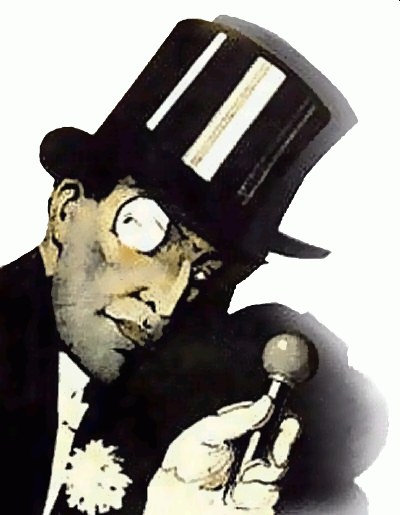
Lupin vs. Holmes: The Gentleman Thief Who Outsmarted the Detective
In the grand tapestry of literary rivals, few intellectual duels captivate the imagination quite like the clashes between the meticulous detective Sherlock Holmes and the audacious French master criminal, Arsène Lupin. While Holmes may epitomize the zenith of deductive reasoning, it was the Arsène Lupin, the original gentleman thief, who consistently proved to be his most cunning adversary, often turning the tables on the otherwise unbeatable detective. This iconic rivalry wasn't just a clash of wits; it was a cultural phenomenon that cemented Lupin's status as a legend.
The concept of the "gentleman thief" has permeated popular culture, giving us charismatic figures like Danny Ocean, Thomas Crown, and even Catwoman. These characters, often blessed with striking looks, impeccable style, and a knack for relieving the super-rich of their prized possessions, hold a unique allure. But long before these modern interpretations, there was Arsène Lupin, the archetypal Lupin Gentleman Thief, whose exploits redefined the anti-hero and challenged the very notion of justice.
The Genesis of a Mastermind: Arsène Lupin, Gentleman-Cambrioleur
The turn of the 20th century saw Sir Arthur Conan Doyle's Sherlock Holmes captivating readers worldwide. Sensing an opportunity for a homegrown literary hero, French author Maurice Leblanc was commissioned by the magazine *Je sais tout* in 1905 to create a detective-style character. However, Leblanc, with a stroke of genius, veered from the conventional path, instead introducing an "anti-hero" whose criminal brilliance would rival any detective: Arsène Lupin.
Lupin made his electrifying debut in the July 15, 1905, issue of *Je sais tout* with "L'Arrestation d'Arsène Lupin" ("The Arrest of Arsène Lupin"). The immediate success of this and subsequent serialized novellas led to the first collected volume, *Arsène Lupin, gentleman-cambrioleur*, published in English as *Arsène Lupin, Gentleman-Thief*, in 1907. This collection solidified Lupin's persona:
- A Master of Disguise: Lupin's ability to seamlessly adopt new identities, voices, and mannerisms made him virtually untraceable. He could be anyone, anywhere, at any time.
- Unmatched Wit and Charm: Deft conversationalist and naturally charismatic, Lupin could talk his way into or out of almost any situation, often charming his victims even as he plundered their treasures.
- An Aristocratic Demeanor: Despite his criminal pursuits, Lupin moved with the grace and sophistication of a true aristocrat, hinting at a refined upbringing and an appreciation for art and beauty.
- A Strict Code of Honor: Unlike common criminals, Lupin adhered to a personal moral compass. He rarely harmed the innocent, often targeted those who acquired their wealth dishonestly or undervalued their possessions, and occasionally even aided the authorities or corrected wrongs. He was, in essence, a vigilante in reverse, a criminal with a conscience.
This unique blend of roguish charm, intellectual prowess, and moral ambiguity instantly resonated with readers, establishing the Lupin Gentleman Thief as an enduring figure in French and global literature.
The Ultimate Literary Showdown: Lupin vs. Holmes (or Sholmes)
The natural evolution of Leblanc's creation inevitably led to a direct confrontation with his English predecessor. It wasn't merely inspiration; Leblanc deliberately pitted his French gentleman thief against the world's greatest detective. This iconic rivalry first unfolded in Leblanc's short story "Sherlock Holmes Arrives Too Late" and later in the collection *Arsène Lupin versus Herlock Sholmes*.
Initially, Leblanc used the actual name "Sherlock Holmes." However, objections from Sir Arthur Conan Doyle regarding the unauthorized use of his copyrighted character prompted Leblanc to make a clever adjustment. Sherlock Holmes became "Herlock Sholmes," a thinly veiled alias that nonetheless left no doubt as to the identity of Lupin's formidable opponent. This forced renaming only added another layer of intrigue to their literary battles.
Why Lupin Often Outsmarted Holmes/Sholmes
The genius of Leblanc's portrayal was not just in creating a character capable of standing toe-to-toe with Holmes, but in consistently depicting Lupin as the superior mind in their direct confrontations. Several factors contributed to the Lupin Gentleman Thief's ability to outwit the brilliant detective:
- Unpredictability vs. Logic: Holmes relies on pure logic, deduction, and an understanding of human nature within established societal norms. Lupin, however, operates outside these norms. His methods are audacious, often theatrical, and constantly evolving, making him a moving target for Holmes's logical framework. Holmes seeks to reconstruct a crime; Lupin is always steps ahead, orchestrating it with multiple contingencies.
- Mastery of Disguise: While Holmes occasionally uses disguise, Lupin's talent in this area is legendary and central to his operations. He doesn't just put on a wig; he embodies new personalities, making it nearly impossible for Holmes to pin him down or anticipate his next move based on a fixed identity.
- Moral Flexibility: Holmes is bound by the law and a quest for absolute truth. Lupin, while honorable, is not constrained by these same principles. He can bend rules, manipulate situations, and disappear into the underworld or high society with equal ease, leveraging ambiguity to his advantage.
- Local Knowledge and Cultural Nuances: Operating on his home turf, Lupin possesses an intimate understanding of French society, its institutions, and its people. This local insight often provides him with an edge that the foreign Herlock Sholmes, despite his intellect, might miss.
- Motivation and Narrative Control: In Leblanc's stories, Lupin is the protagonist. The narrative is often designed to showcase his brilliance. Holmes (Sholmes) serves as the foil, a testament to Lupin's superior cunning when he manages to evade or even trick the great detective. It's a deliberate narrative choice to elevate the Lupin Gentleman Thief to unparalleled heights.
The Enduring Appeal of the Gentleman Thief Trope
The lasting success of Arsène Lupin goes beyond his captivating battles with detectives. He solidified a trope that continues to fascinate audiences worldwide: the gentleman thief. This archetype taps into several deeply held human desires:
- Challenging Authority: The gentleman thief operates outside the system, often exposing its flaws or the hypocrisy of the elite.
- Wish Fulfillment: Who hasn't secretly admired the idea of pulling off an elaborate heist with grace, intelligence, and a dash of daring?
- Moral Ambiguity: These characters often steal from those who deserve it (or can afford it) and sometimes even use their ill-gotten gains for good, making them complex figures we can both root for and marvel at.
- Style and Panache: There's an undeniable allure to a character who commits crimes with elegance, charm, and impeccable taste.
Lupin's influence stretches across generations and media, from comics and animation to blockbuster films and contemporary TV series like the recent Netflix hit. For a deeper dive into his diverse adaptations, explore From Page to Screen: The Enduring Legacy of Arsène Lupin.
How to Dive into the World of Arsène Lupin
For those eager to experience the thrilling exploits of the original Lupin Gentleman Thief and witness his legendary confrontations, here's how to begin:
- Start with the Source: The best entry point is Leblanc's first collection, *Arsène Lupin, Gentleman-Thief* (or *Arsène Lupin, gentleman-cambrioleur* in its original French). This introduces his core persona and earliest adventures.
- Seek Out the Crossovers: To specifically enjoy the Lupin vs. Holmes dynamic, look for *Arsène Lupin versus Herlock Sholmes*. It's a delightful example of literary sparring.
- Explore the Adaptations: After reading the original stories, delve into the vast world of Lupin adaptations. The Netflix series "Lupin" offers a modern homage, while various films and anime (like "Lupin the 3rd") provide unique interpretations of the character. Remember, these often take creative liberties but capture the spirit of the original.
- Appreciate the Historical Context: Understand that Leblanc was writing in a specific era, responding to contemporary literary trends and societal norms. This adds depth to the stories.
Embrace the charm, the wit, and the unparalleled cunning of Arsène Lupin. Discover why he wasn't just a popular character, but a literary force capable of consistently outmaneuvering the greatest detective fiction had ever known.
The rivalry between Arsène Lupin and Sherlock Holmes (or Herlock Sholmes) stands as a testament to Maurice Leblanc's genius in crafting a character who could not only hold his own against an established icon but often eclipse him in audacity and cleverness. The Lupin Gentleman Thief remains a captivating figure, a symbol of intellectual brilliance applied to unconventional ends, whose legacy continues to inspire and entertain. His ability to charm, deceive, and outsmart the best minds makes him not just a criminal, but a true mastermind and an enduring legend of fiction.